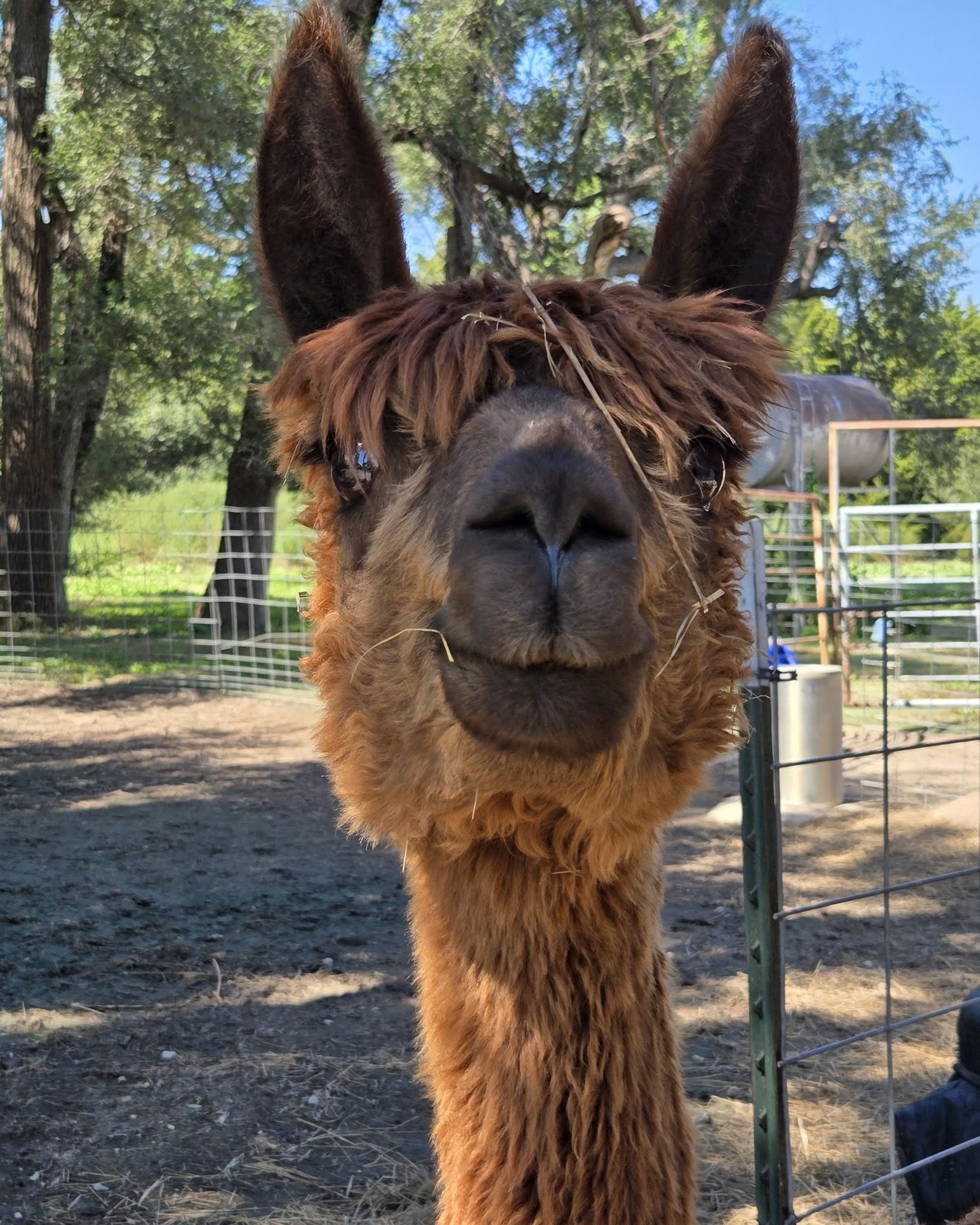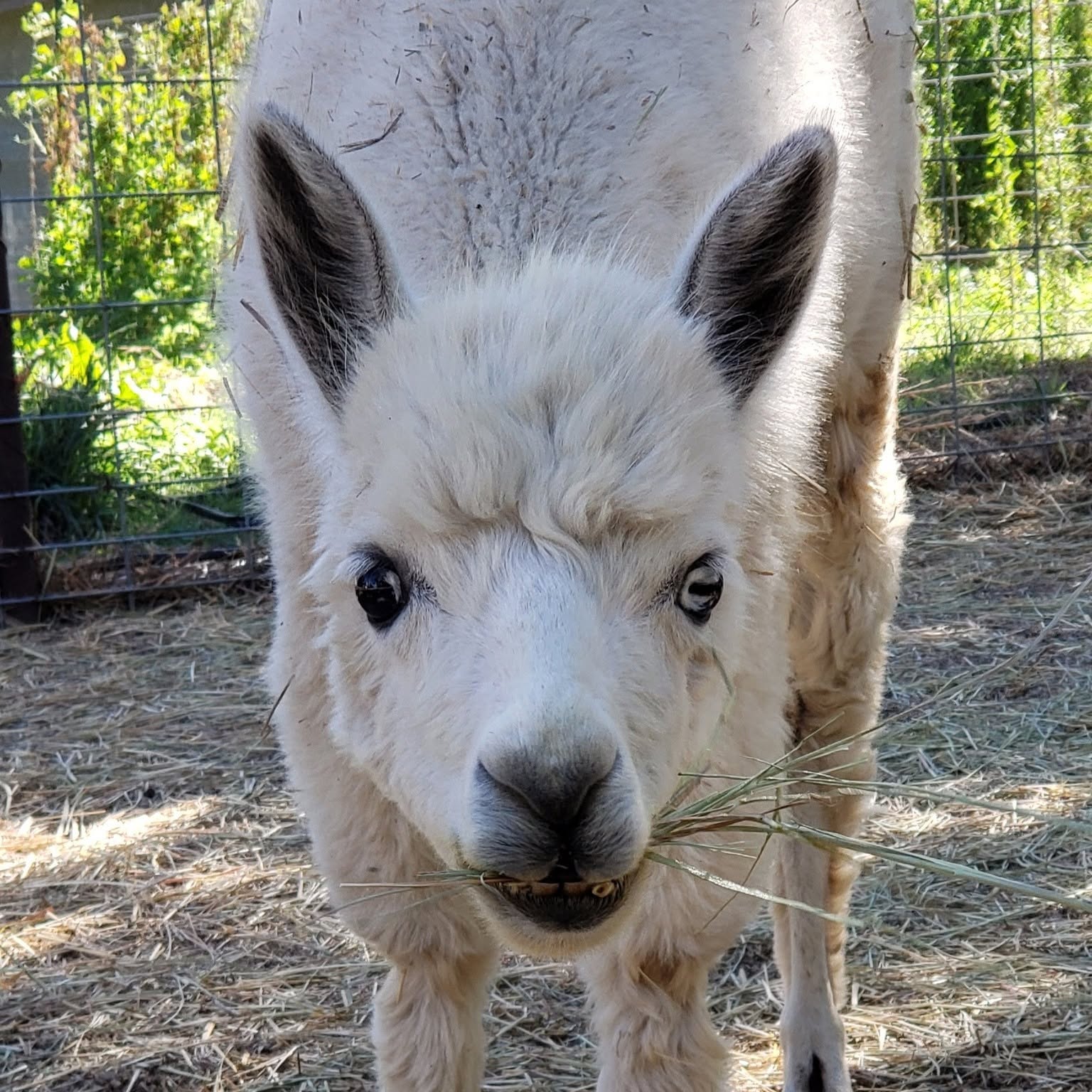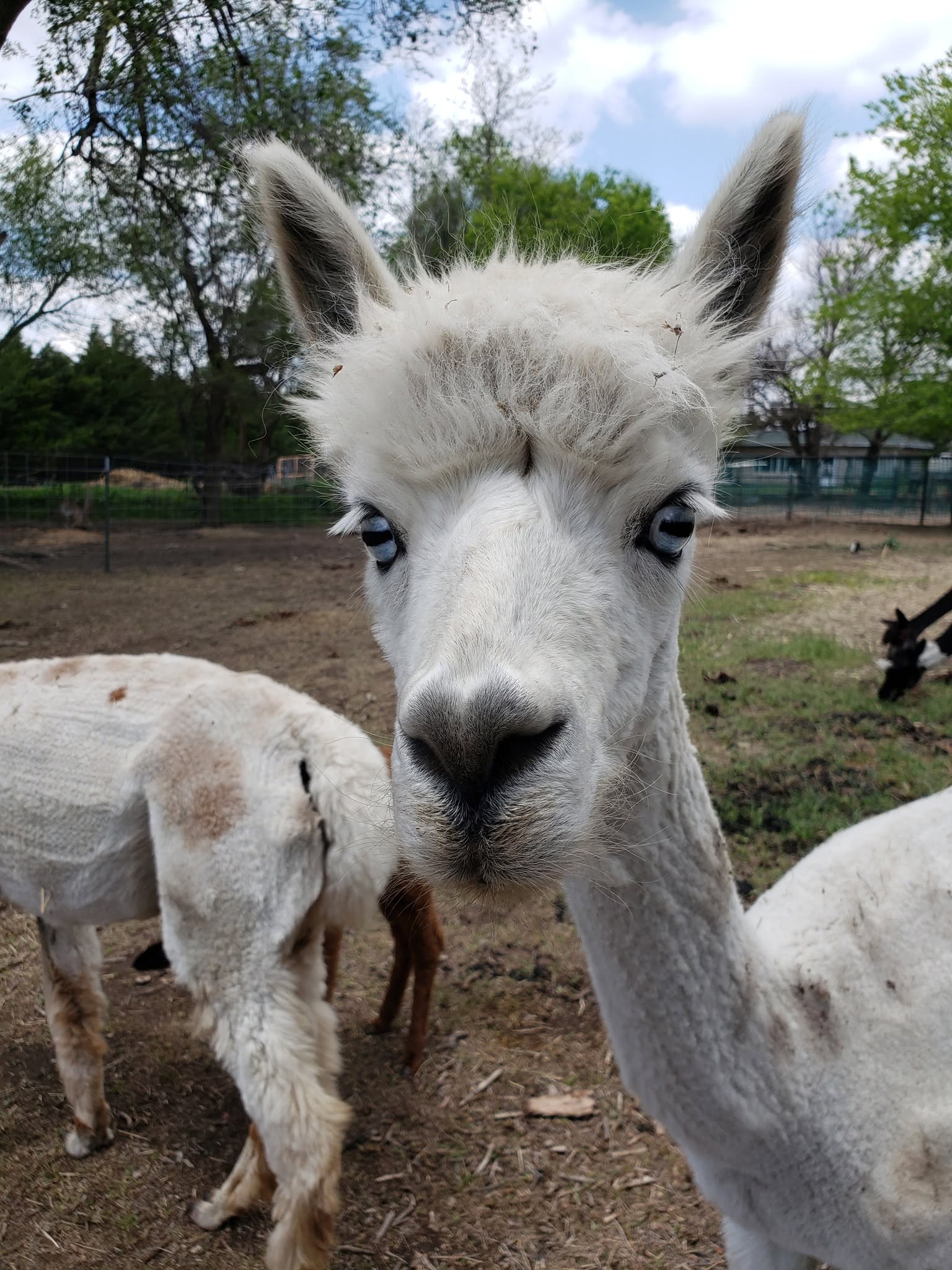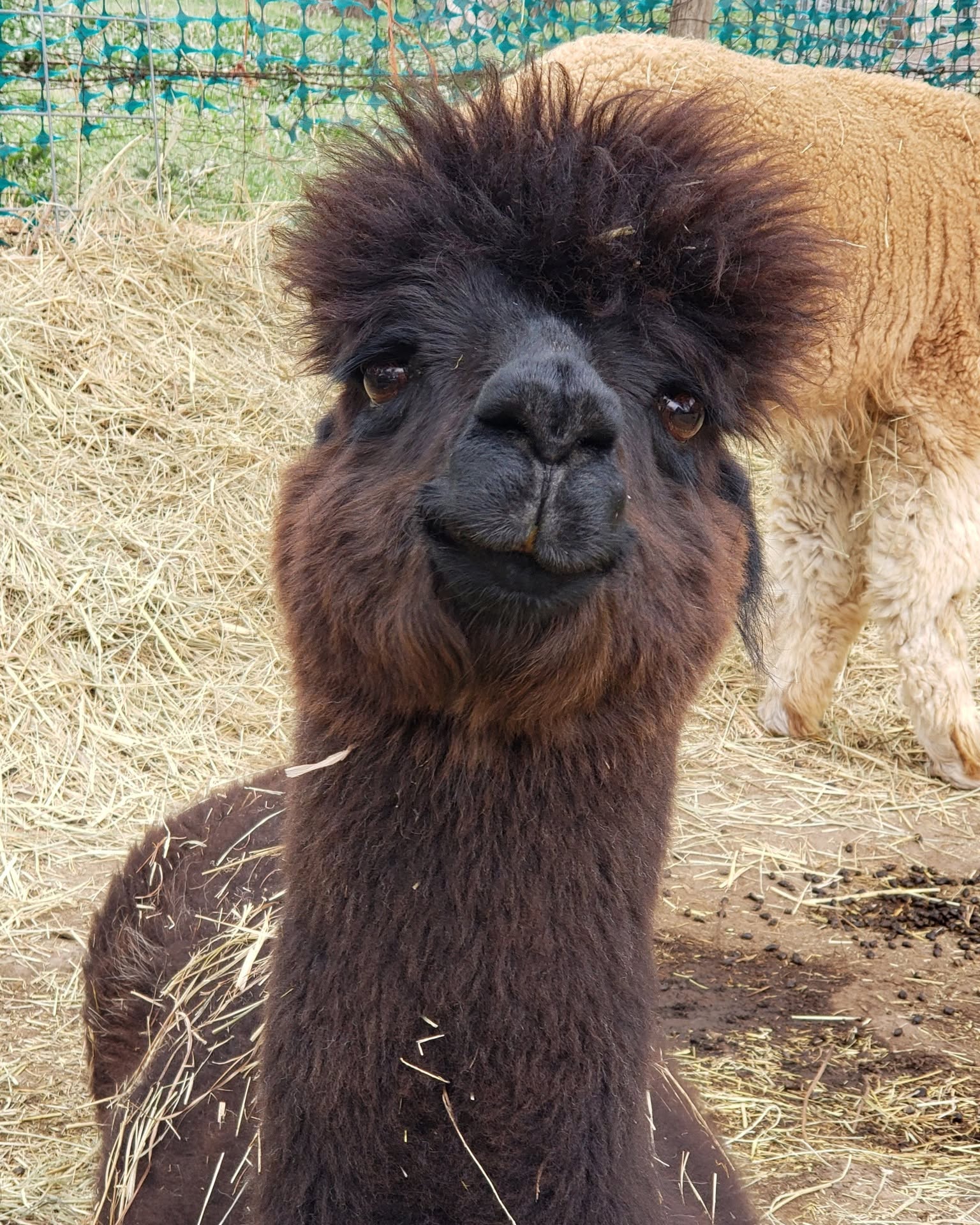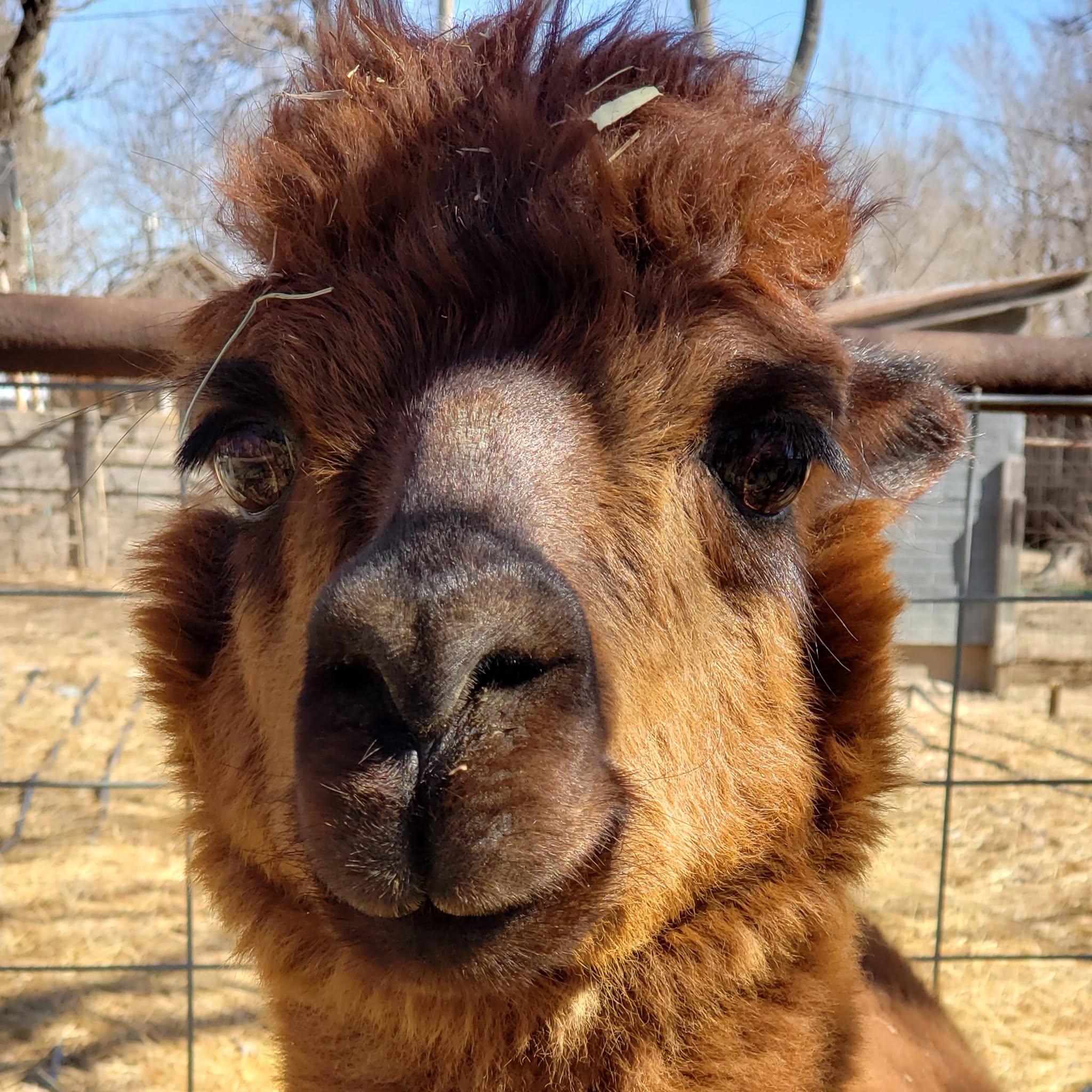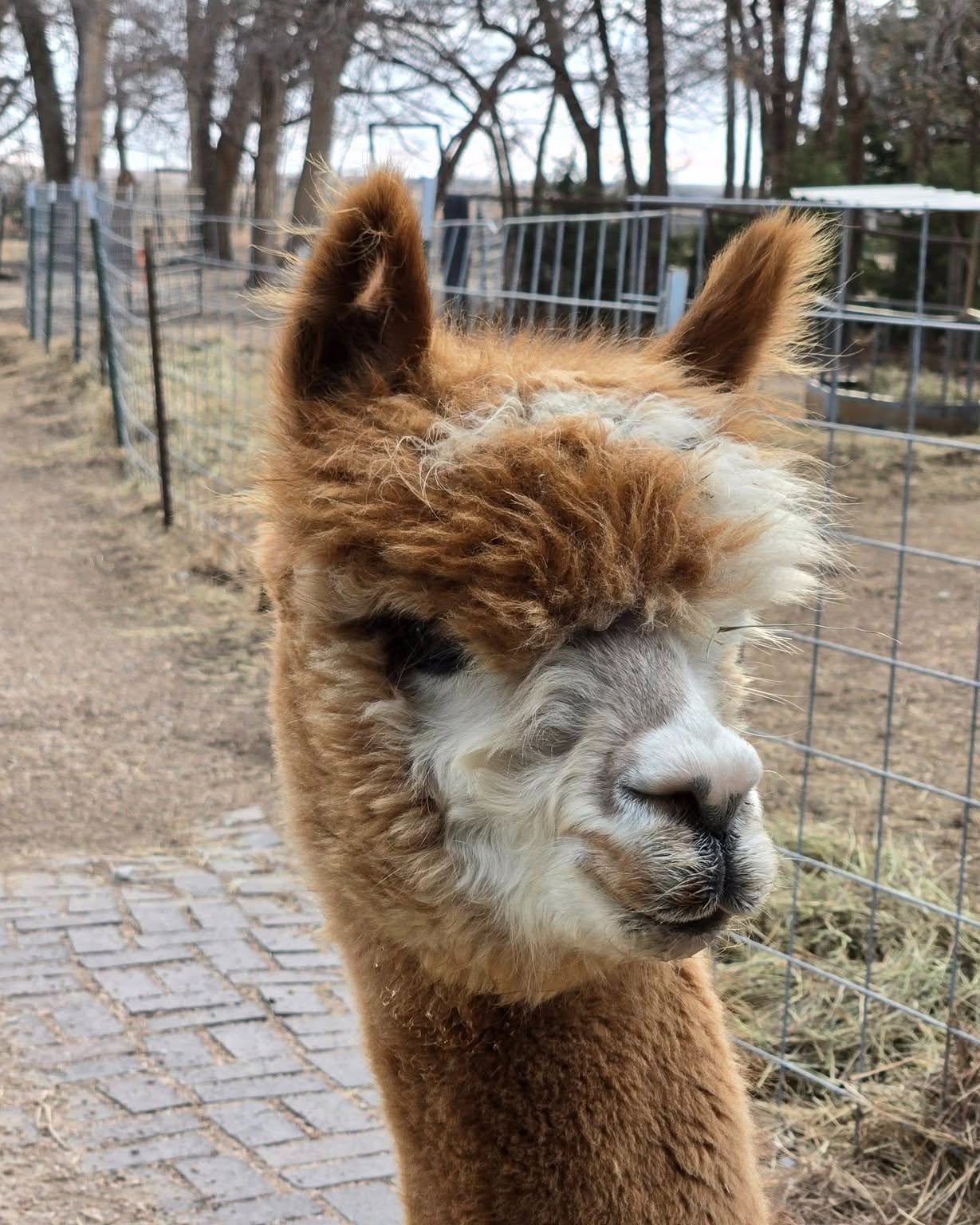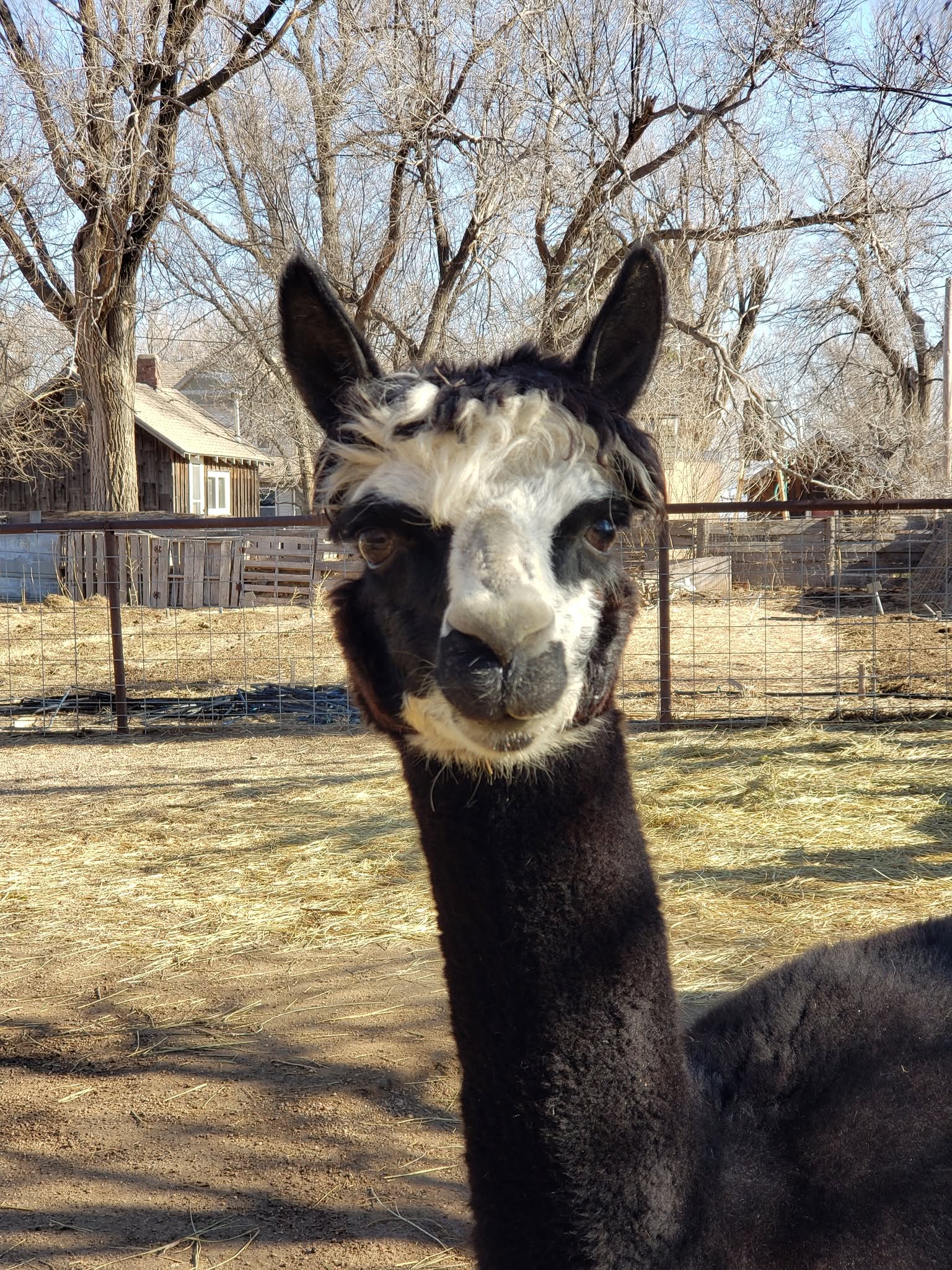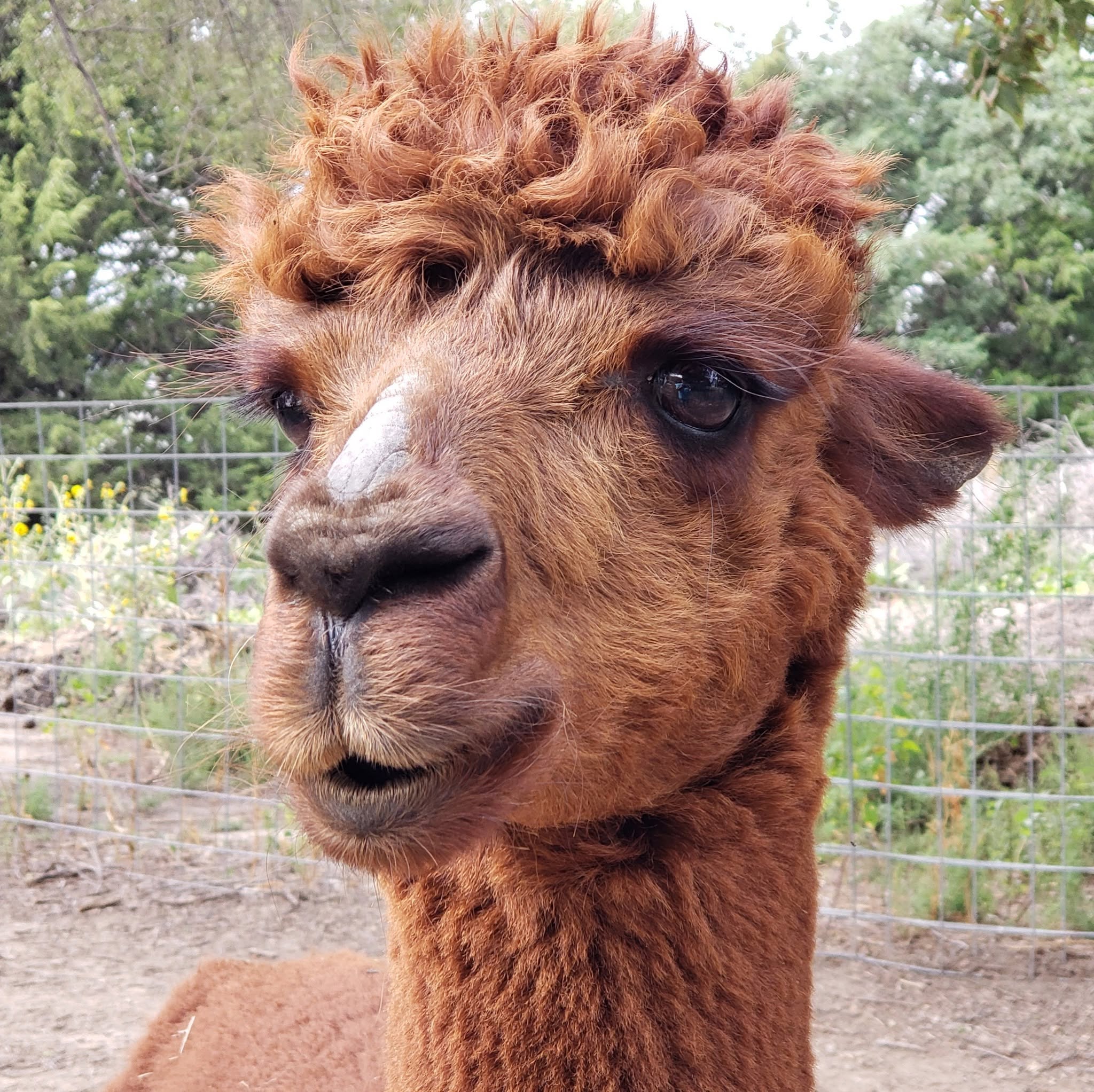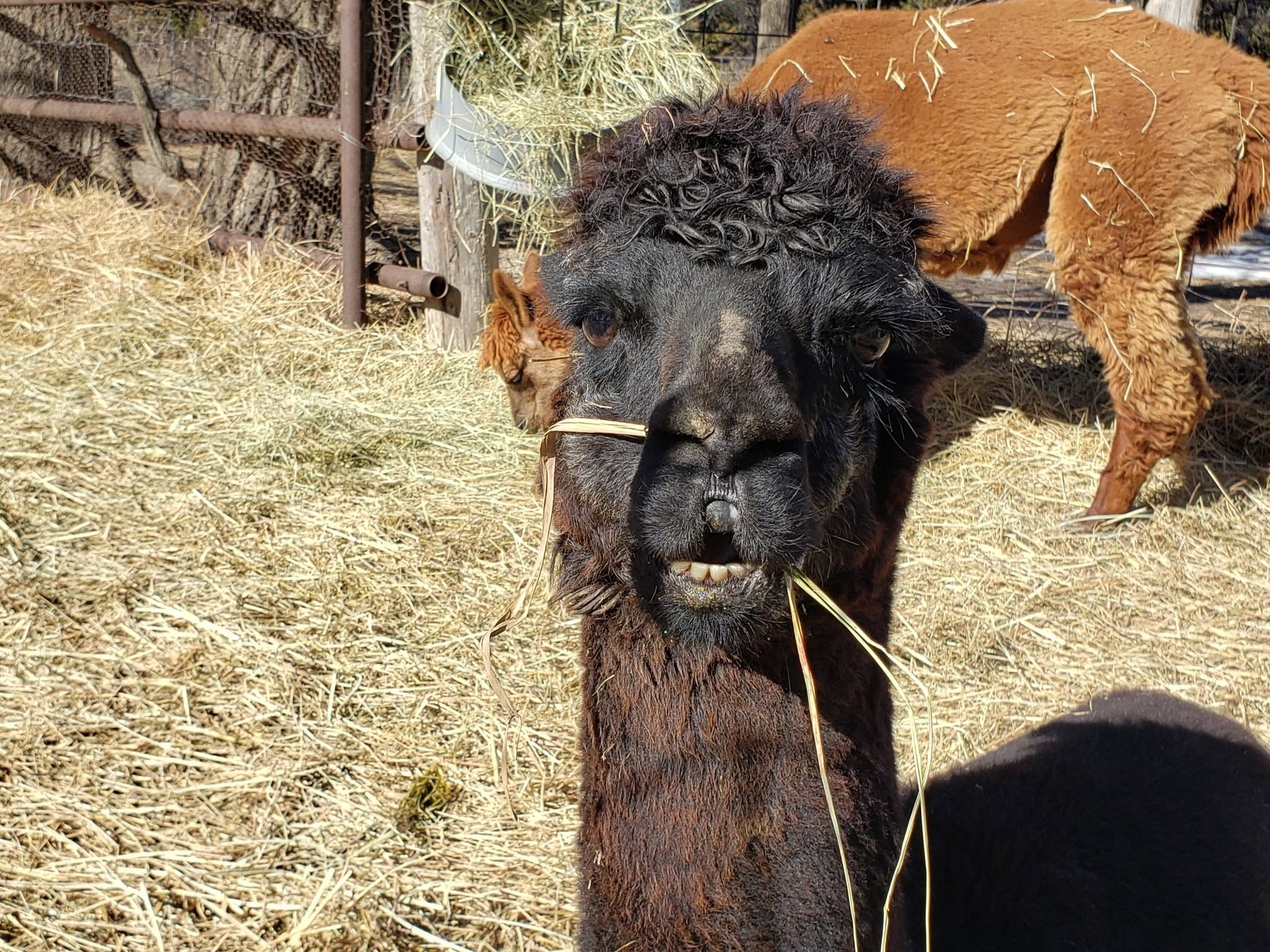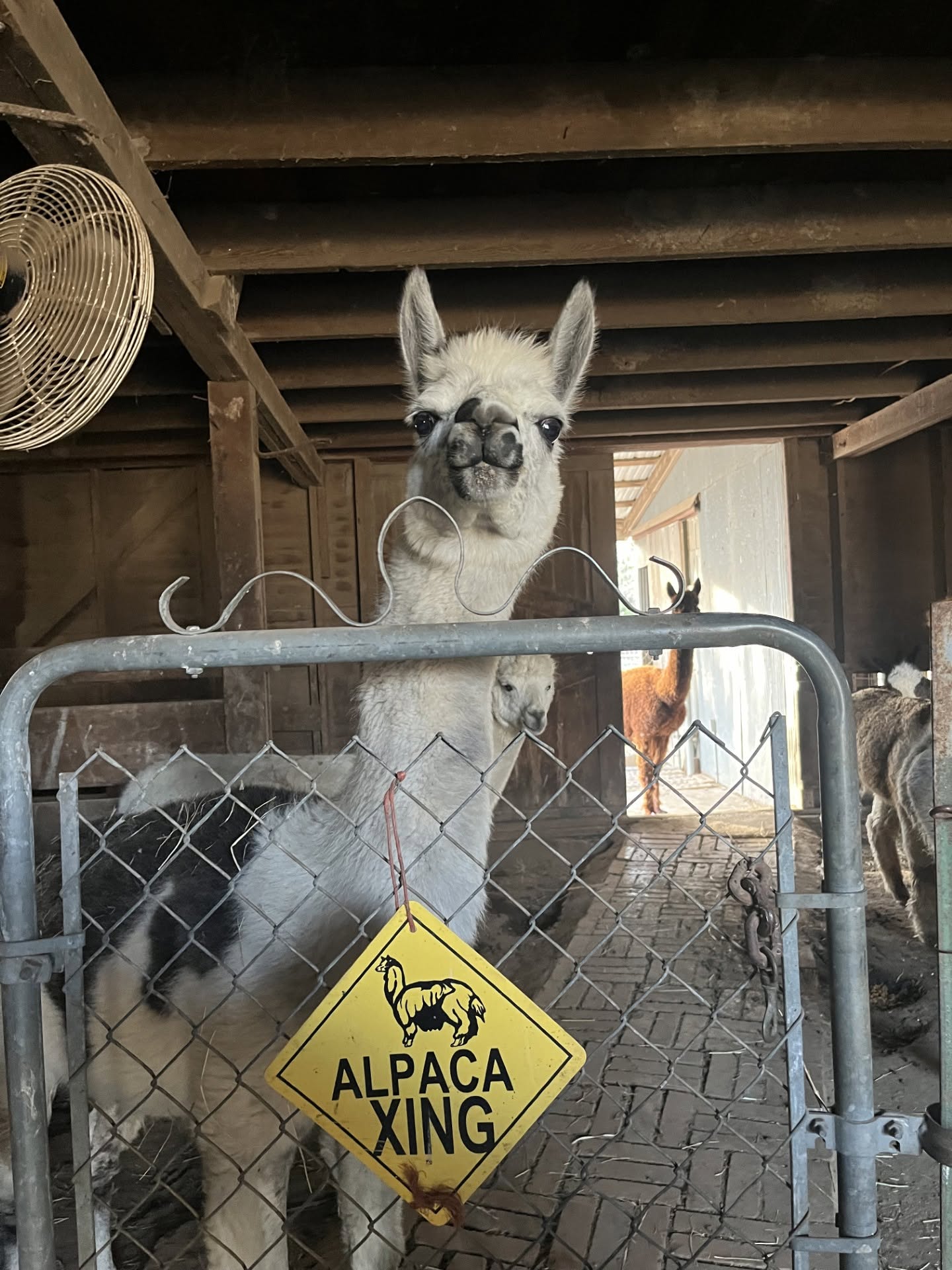
Yes and no. Alpacas typically only spit at each other when they have disagreements, whether over food or getting in each others personal space. Every now and then you may get caught in the crossfire and leave with bits of smelly chewed straw on you.
Alpacas are members of the camel family, making them closely related to camels, llamas, guanacos and vicuñas.
Alpacas are native to the Andes Mountains in South America. While there are no longer wild alpacas, herds of alpacas can be found in the mountains in Bolivia, Chile and Peru.
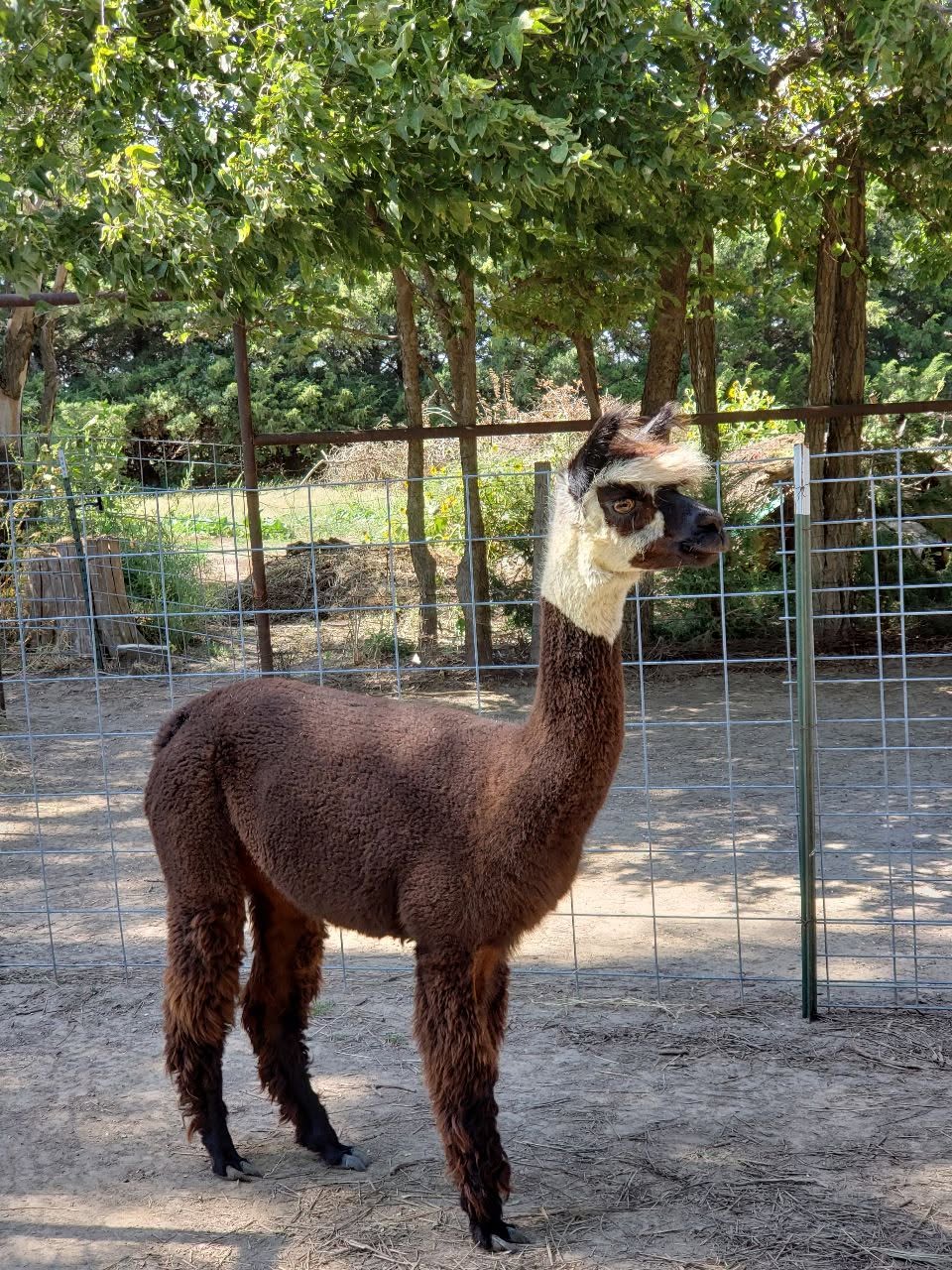
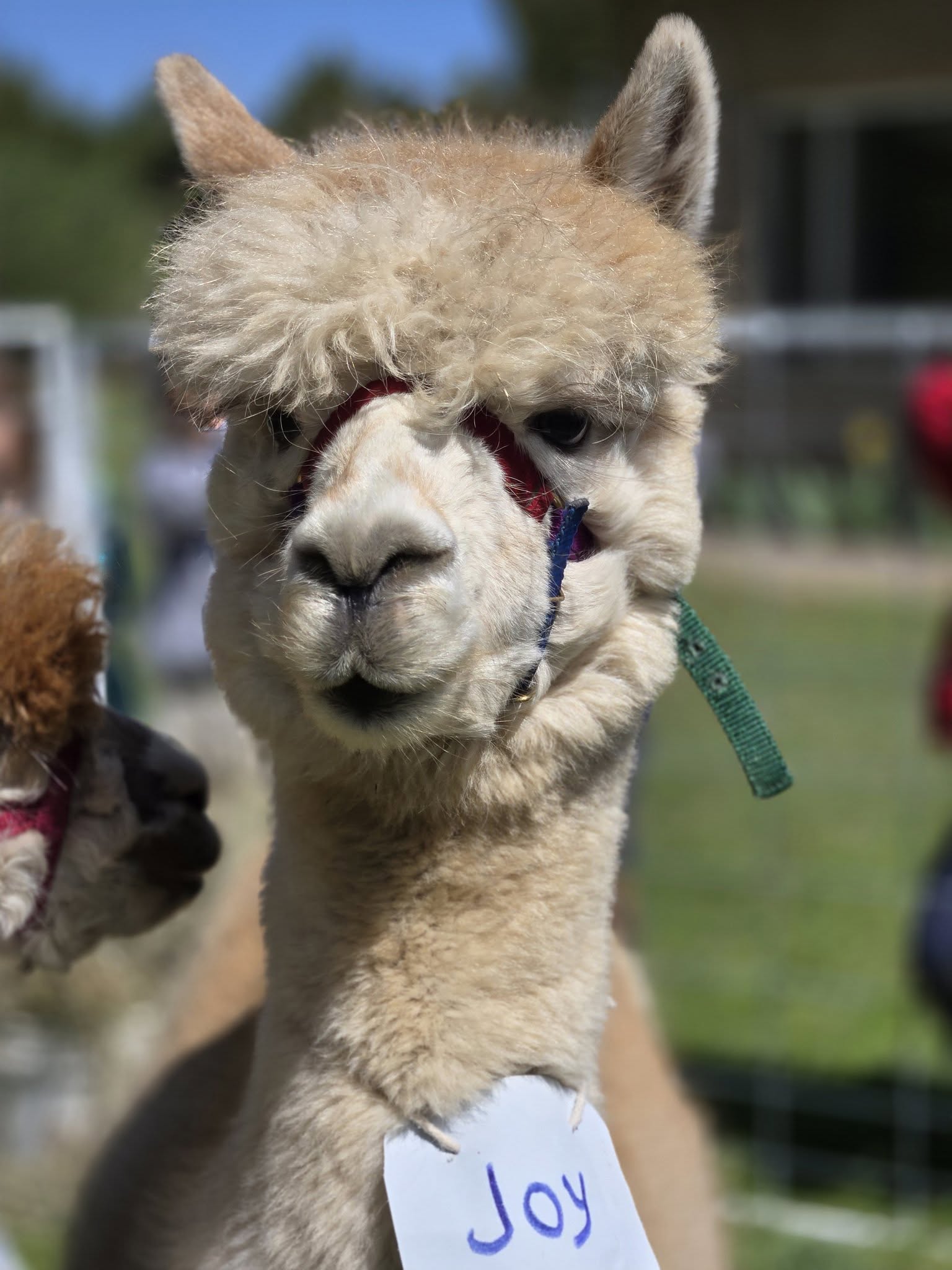
There are 2 breeds of alpacas, Suri and Huacaya. At Heartland Farm we have 13 Huacaya and 1 Suri. They are distinguished by their coats. Suri alpaca have lustrous straight fiber that forms into spiraling locks. Huacaya alpaca fiber is fluffy and spongy with more wave and crimp.
Yes! We shear our alpacas yearly in the spring. Suri alpacas can go 2 years in between shearing, but we do it yearly.
The average life span for an alpaca is 15-20 years. We have had 1 live to be 21!
The average weight for an alpaca is 100-175 pounds. Our alpacas range from 87-168 pounds.
A baby alpaca is a cria. When born they weigh 15-17 pounds. They often are standing and nursing 30-60 minutes after birth.
The alpaca comes in eight basic colors – natural white, natural light fawn, natural fawn, natural light grey, natural grey, natural rose grey, natural dark brown, and black.
The information below is courtesy of the New England Alpaca Fiber Pool Inc. with information from The Complete Alpaca by Eric Hoffman


If you would like to know more about alpacas, we recommend watching Inside the Alpaca Industry created by the Alpaca Industry Foundation.